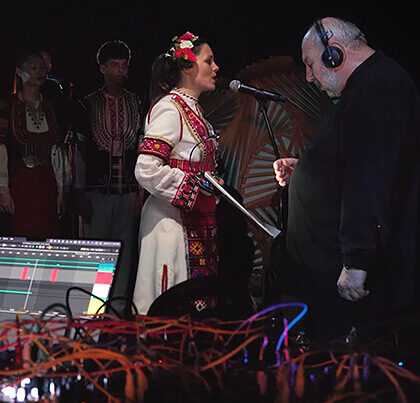
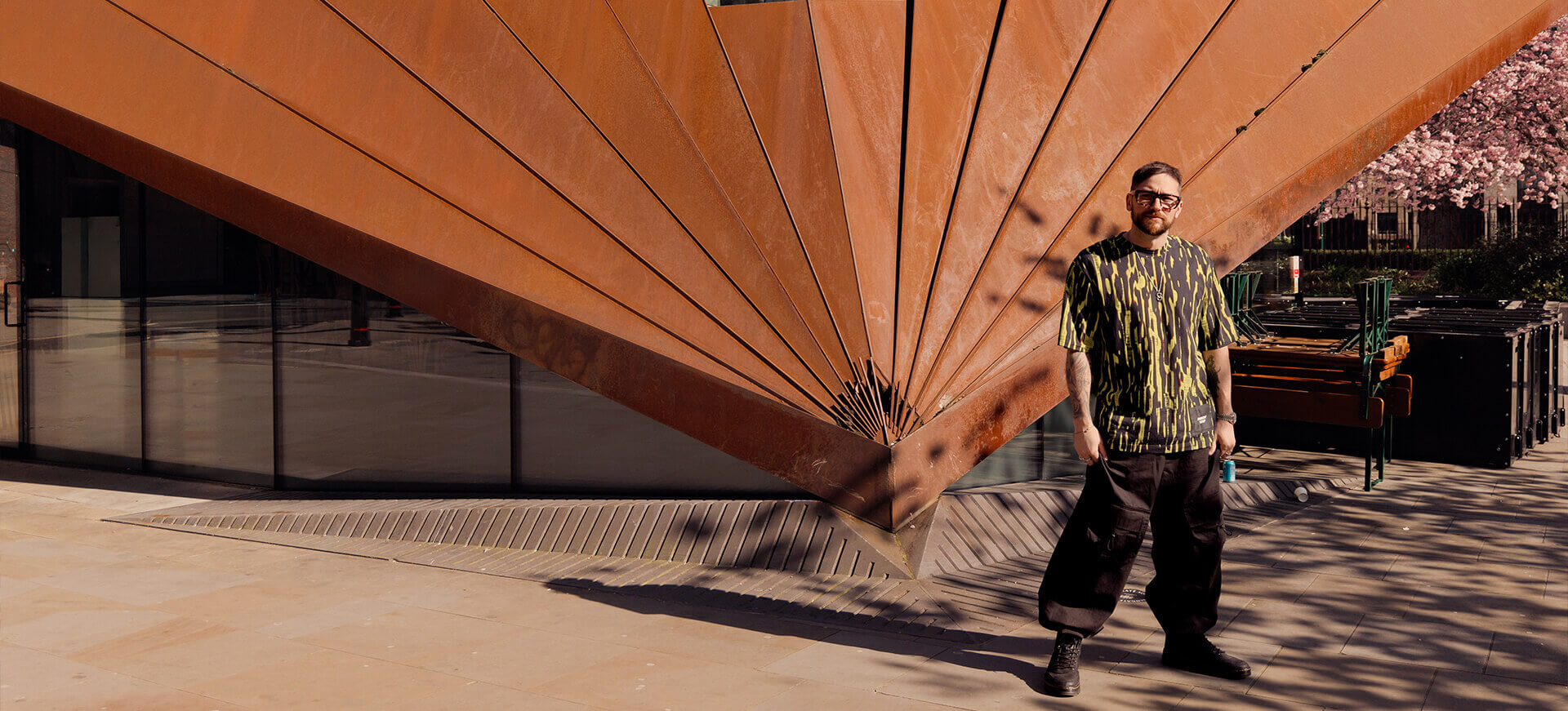
A focused conversation with Iglesias on the discipline behind club-ready records, the tension between precision and instinct, and the realities of sustaining creativity on a global touring schedule. From fast, groove-first production workflows to analogue finishing chains and hybrid DJ setups powered by the Antelope Audio Orion 32+ Gen 4, the interview cuts through surface-level talk and zeroes in on what actually shapes sound, performance, and longevity in today’s electronic scene.
You’ve been in the game for a while now, playing some of the world’s top venues and releasing on elite labels. If you had to describe your musical journey in one word, what would it be - and why?
It’s been a crazy few years for sure – I still pinch myself signing to labels I grew up looking up to and playing some of the best clubs in the world. If I had to sum it up in one word, it would be energetic. I’ve always made music with the dancefloor in mind, and that will never change. I fell in love with this scene from being on the dancefloor myself, so everything I make is about recreating those moments.
Looking back at your earliest productions vs now - what’s evolved most?
It’s night and day. Back then I knew nothing – I was just figuring it out. Now everything is more refined, but it’s a bit of a double-edged sword. The more you understand production, mixing and mastering, the more you hear – and you can’t unhear it. There’s always something to tweak. That constant search for perfection is what drives me, but it’s also why I hate signing music sometimes… once it’s out, it’s out – no more tweaks.

Your music is instantly recognizable - tight drum grooves, driving low-end, and subtle details that make each track club-ready. Can you walk us through your typical studio process - from sketching an idea to finalizing the mix and master?
I like to work fast. If I spend too long on an idea, I lose interest. I always start with drums, then build the bassline around that, and take it from there. The core of the track comes together quickly – after that it’s all about refining. The mix stage can go on for months because I’m constantly testing and tweaking. It’s all in the box initially for flexibility, then I finish everything with a full analogue master. That’s a big part of what gives my tracks that weight – everything just feels fat.
Do you approach DJing and producing as separate art forms, or are they closely intertwined in how you express yourself?
Both! With my hybrid live setup, they’re becoming more connected – I’m adding drums, vocals and elements on the fly, so the producer side comes out during sets. But I also know when to leave a track alone. Not everything needs over-processing. I can’t stand overuse of effects – RMX snare rolls, endless delays… some tracks just need to breathe. By the way, I use the Antelope Orion 32+ Gen 4 as my soundcard for live shows. 😉
Any bottlenecks when finishing tracks?
Time, mainly. I usually sketch an idea one day, then come back and finish it the next. I’ll sit with it, listen for flaws, and note what’s missing – hooks, energy, details – then go back in and complete it. I’m lucky with my studio setup – I can hear everything in extreme detail, and I even have a setting that mimics DC10. So I know how a track will translate in a club before I even test it.

With so many gigs, time zone changes, sleepless nights, and airports, where do you pull creative energy from? How do you stay motivated to keep pushing out high-quality productions?
I’m pretty good on little sleep – and now I’ve got a 6-month-old, touring actually feels like a break.
Honestly though, I just love making music. It’s not a chore, and I’m not doing it for content – I do it because I genuinely enjoy it. That makes staying motivated easy. If I’m not feeling it, I just don’t force it.
Has becoming a father changed your mindset?
Completely. It’s the best feeling in the world and it shifts your whole perspective. I used to hear DJs say they’re doing it for their kids and think it was a bit of a cliché – but I get it now. I’m doing this for him, to give him the best life possible. I’m still figuring out the balance, but I’ve got an amazing wife and team around me. The sacrifices now will be worth it – I’ve seen that first-hand growing up.

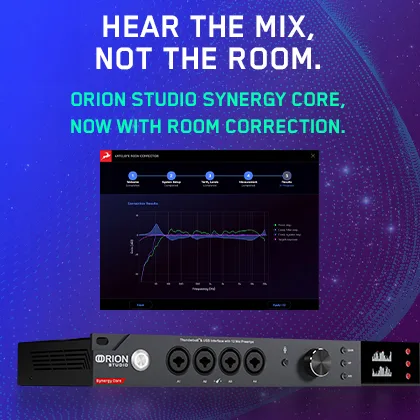
We know that you’ve been using the Antelope Audio Orion 32+ Gen 4 during your DJ sets. What made you choose that interface, and how has it elevated your workflow or sound?
I first heard it through DJs like Richie Hawtin, Carl Cox and Paco Osuna – once you hear the difference, you can’t go back. A dedicated external sound card vs a mixer’s internal one is night and day. It’s a pain to travel with, but it’s worth it. I love hearing that the system sounds louder and fuller when I’m on – that’s what it’s all about for me, the crowd’s experience. And yeah… I do get a buzz out of the DJ after me struggling a bit.
What excites you about electronic music right now?
Honestly, I’m focused on my own direction. The scene feels a bit repetitive at the moment – a lot of the same lineups and sounds. Even people playing are saying that.
So I’m excited for change – new energy, new sub-genres, something that shakes things up again.
Follow Iglesias:
Linktree – linktr.ee/Iglesias_music
Instagram – instagram.com/iglesias_music
SoundCloud – soundcloud.com/joeiglesias
Woodlands Studio – woodlands.studio